
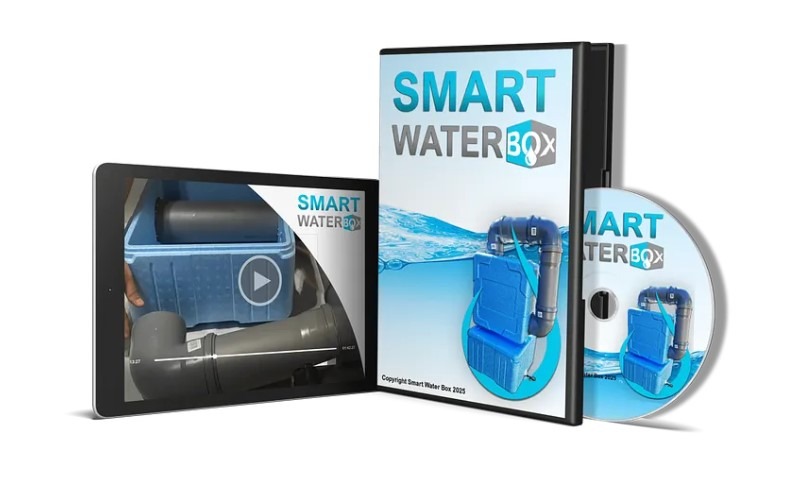
Water is one of the most precious resources on Earth. From agriculture and industry to domestic use, every sector relies on a clean, sustainable, and well-managed water supply. As global water scarcity, rising costs, and inefficiencies in water distribution continue to grow, technology is stepping in to provide smarter solutions. Among these innovations, the Smart Water Box is emerging as a revolutionary tool for intelligent water monitoring, management, and optimization.
In this detailed guide, we will explore what the Smart Water Box is, how it works, its features, applications, and why it has become a vital solution for modern households, businesses, and cities aiming for sustainability.
Table of Contents
The Rising Need for Smart Water Solutions
1 Global Water Challenges
According to the United Nations, over 2 billion people lack access to safe drinking water, while water demand is expected to exceed supply by 40% by 2030. The major challenges include:
-
Water Scarcity: Many regions face droughts and declining water reserves.
-
Leakages: Up to 30% of water in urban areas is lost due to leaks in distribution systems.
-
Poor Quality Monitoring: Contaminated water continues to affect millions, causing diseases.
-
High Costs: Rising energy and treatment costs make water increasingly expensive.
2. Why Smart Technology?
Traditional water meters only provide a basic measurement, often checked monthly or yearly. This lack of real-time data makes it impossible to address issues like leaks, contamination, or wastage promptly. Smart water technology bridges this gap by providing continuous monitoring, predictive analytics, and actionable insights for better water governance.
How the Smart Water Box Works
The Smart Water Box integrates hardware sensors, wireless communication, and cloud-based software to create a complete water management ecosystem.
1 Core Components
-
Sensors – Measure flow, pressure, temperature, pH levels, turbidity, and chlorine concentration.
-
Microprocessor – Processes data from sensors in real time.
-
Connectivity Module – Uses Wi-Fi, Bluetooth, or cellular networks to transmit data.
-
Cloud Platform – Stores and analyzes information with AI algorithms.
-
User Interface – A mobile app or web dashboard for real-time monitoring.
2 Step-by-Step Process
-
Water enters through the system where sensors collect data.
-
The box identifies anomalies such as leaks, unusual consumption, or contamination.
-
Data is transmitted to the cloud, where machine learning models analyze trends.
-
Users receive instant alerts and detailed reports via app notifications or email.
-
Recommendations for water-saving or corrective actions are provided automatically.
Features of the Smart Water Box
The Smart Water Box stands out because of its wide range of cutting-edge features:
1 Real-Time Monitoring
Track water usage by the minute, day, or month. See which appliances consume the most water and identify wasteful habits.
2 Leak Detection
Detect even microscopic leaks that traditional systems cannot spot. Early leak detection prevents property damage and saves money.
3 Water Quality Analysis
Monitors critical parameters such as:
-
pH level (acidity/alkalinity)
-
Turbidity (clarity of water)
-
Chlorine content (sanitization levels)
-
Temperature (important for industrial and household applications)
4 AI-Powered Insights
Using artificial intelligence, the Smart Water Box can:
-
Predict peak usage times.
-
Recommend conservation strategies.
-
Forecast potential issues (e.g., pressure drops).
5 Smartphone Integration
Users can connect the Smart Water Box with their smartphones through a dedicated app. Features include:
-
Push notifications for leaks or contamination.
-
Graphical dashboards of water usage.
-
Remote control of water supply (in advanced models).
6 Automation
Some Smart Water Boxes can automatically shut off the water supply in case of detected leaks, contamination, or overflow, preventing damage.
7 Smart Home & IoT Integration
Integrates with platforms like Google Home, Amazon Alexa, and Apple HomeKit for complete smart home control.
8 Eco-Friendly Reports
Monthly reports show how much water has been saved, promoting sustainability and helping users meet environmental goals.
Applications of the Smart Water Box
The Smart Water Box is not limited to homes—it has versatile applications across multiple sectors:
1 Residential Use
-
Monitor daily water usage.
-
Detect leaks in bathrooms, kitchens, or irrigation systems.
-
Ensure safe drinking water quality.
-
Save money on water bills.
2 Commercial Buildings
-
Manage water usage in hotels, offices, and shopping malls.
-
Improve sustainability reports for corporate responsibility.
-
Prevent water-related damage in large facilities.
3 Agriculture
-
Monitor irrigation systems for efficiency.
-
Ensure crops receive adequate water without waste.
-
Track soil moisture and water quality.
4 Industrial Use
-
Monitor large-scale water consumption in factories.
-
Ensure compliance with quality standards.
-
Detect leakages in pipelines or storage tanks.
5 Municipal Use
-
Reduce water loss in city distribution networks.
-
Provide real-time monitoring for smart cities.
-
Enhance water conservation policies.
Benefits of the Smart Water Box
1 Economic Benefits
-
Reduce water bills by 20–40%.
-
Avoid costly property damage from leaks.
-
Optimize industrial processes and reduce operational costs.
2 Environmental Benefits
-
Conserve scarce water resources.
-
Reduce energy consumption for water treatment and pumping.
-
Encourage sustainable consumption habits.
3 Health Benefits
-
Ensure safe, clean drinking water.
-
Detect harmful contaminants quickly.
-
Reduce risks of waterborne diseases.
4 Convenience & Peace of Mind
-
Real-time alerts prevent emergencies.
-
Full control from a smartphone, anytime, anywhere.
-
Automated shut-off reduces stress during leaks or failures.
Future of the Smart Water Box
The Smart Water Box is part of the larger smart city and smart home revolution. Future developments may include:
-
Blockchain-based billing for transparent transactions.
-
Integration with renewable energy systems for sustainable water pumping.
-
Predictive maintenance of entire water networks.
-
Global networks of smart water data for climate resilience planning.
As adoption grows, the Smart Water Box will evolve into a standard feature in every household, business, and municipal water system.
Case Studies & Success Stories
Case Study 1: A Smart Home in California
A family installed a Smart Water Box during a drought season. They reduced their monthly water bill by 30%, detected two hidden leaks, and ensured their drinking water was always safe.
Case Study 2: Hotel Chain in Dubai
A large hotel integrated Smart Water Boxes across all its branches. Result: 40% reduction in water usage and annual savings worth millions of dollars, while improving its sustainability ratings.
Case Study 3: Smart Agriculture in India
Farmers used Smart Water Boxes to monitor irrigation. This reduced water waste by 25%, increased crop yields, and lowered pumping costs.
Buying Guide for the Smart Water Box
1 Factors to Consider
-
Compatibility with existing plumbing.
-
Type of sensors included (basic vs advanced).
-
Connectivity options (Wi-Fi, 4G, Bluetooth).
-
App usability (easy dashboards, reports).
-
Automation features (auto shut-off, integration).
-
Price and warranty.
2 Price Range
-
Basic Models: $150–$300 (residential use).
-
Advanced Models: $400–$800 (with water quality sensors and auto shut-off).
-
Commercial/Industrial Models: $1,000–$5,000+.
Challenges and Limitations
While highly beneficial, the Smart Water Box faces a few challenges:
-
High upfront costs for advanced models.
-
Need for stable internet connectivity for real-time monitoring.
-
Maintenance of sensors to ensure accuracy.
-
Adoption barriers in regions with low digital literacy.
However, as technology matures and costs decline, these barriers are expected to reduce significantly.
Conclusion
The Smart Water Box is more than just a water meter—it’s a complete water intelligence system that empowers individuals, businesses, and governments to use water more efficiently, sustainably, and safely. By combining IoT sensors, AI analytics, and user-friendly mobile apps, it transforms how we interact with this essential resource.
As water scarcity continues to challenge the world, adopting solutions like the Smart Water Box is no longer optional—it’s essential. It offers economic savings, environmental protection, health safety, and peace of mind, making it a must-have for the future of water management.The future belongs to smart technologies, and when it comes to water, the Smart Water Box is leading the way toward a more sustainable tomorrow.




Reviews
There are no reviews yet.